The Christmas cactus (Schlumbergera) is one of the easiest houseplants to propagate, yet many people never realize how simple the process can be. A small cutting containing just a few healthy segments can eventually develop into a completely new plant.Crops & Seed
Purchasing High-Yield Commercial Crops And Seeds
With the right cutting, a light potting mix, and a little patience, you can turn one mature Christmas cactus into several new plants without buying anything special.
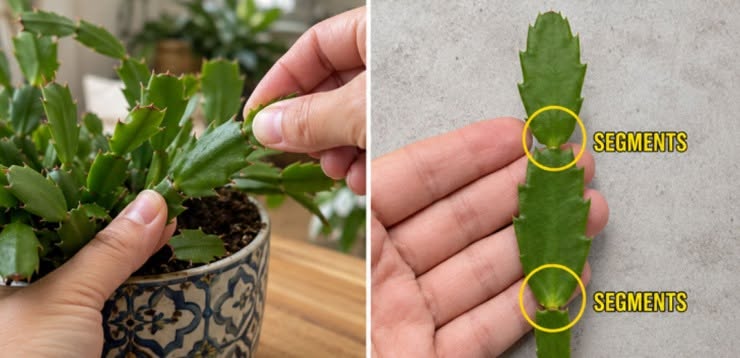
Unlike desert cacti, Christmas cactus naturally grows in humid forest environments, where it often develops among tree branches and organic debris. Its flattened green stems are divided into individual segments connected at small joints.
These joints are important because new roots can develop near the base of a healthy cutting.
Propagation is especially useful when you want to:
Create new plants from an older Christmas cactus.
Make inexpensive gifts for friends and family.
Rejuvenate a plant that has become too large or uneven.
Save healthy sections from a damaged plant.
Encourage the parent plant to become fuller and bushier.
The Best Time to Take Christmas Cactus CuttingsFlora & Fauna
Using Plant And Wildlife Identification Apps
Christmas cactus can be propagated during much of the year, but spring and early summer are usually excellent times because the plant is entering an active period of growth.
If possible, wait until flowering has finished before taking several cuttings. This allows the plant to direct more energy toward root and shoot development.
Step 1: Choose Healthy Stem Segments
Look for firm, healthy green growth without soft spots, discoloration, pests, or disease.
A useful cutting usually contains around 2 to 4 connected segments.
Avoid taking extremely long pieces. Smaller cuttings are easier to handle and generally lose less moisture while developing roots.
