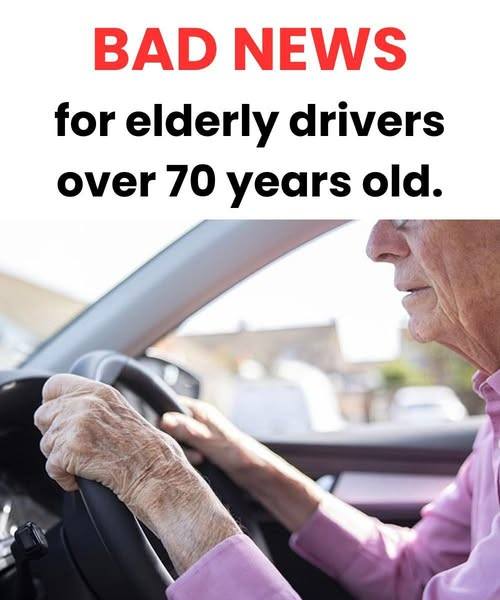
Driving Licence Renewal: Age Limits and What Changes After 50, 70, and 80 Years Old
Driving provides independence, freedom, and convenience for millions of people around the world. However, as drivers grow older, governments and road safety authorities often introduce additional requirements to ensure that everyone on the road remains safe. Many people wonder whether there is an age limit for driving and what changes when drivers reach certain milestones such as 50, 70, or even 80 years old.
The truth is that in most countries there is no strict maximum age at which someone must stop driving. Instead, the focus is placed on a person’s ability to drive safely rather than their age alone. That said, renewal procedures and health checks may change as drivers grow older.
Is There a Maximum Age for Driving?
In many parts of the world, including countries in Europe and North America, drivers can continue driving well into their later years as long as they remain physically and mentally capable. Rather than imposing a universal age limit, authorities usually require more frequent licence renewals and sometimes medical evaluations to confirm that a driver can safely operate a vehicle.
This approach recognizes that aging affects people differently. Some individuals remain alert and capable drivers in their 80s, while others may experience health issues that affect driving ability much earlier.
What Changes After the Age of 50?
For most drivers, turning 50 does not bring major changes to the driving licence renewal process. However, this age is often considered a good time to begin paying closer attention to health conditions that could impact driving.
Vision changes may begin to appear more noticeably around this stage of life. Many people require stronger glasses or more frequent eye examinations. Since clear vision is essential for safe driving, regular eye checks become increasingly important.
Drivers over 50 may also begin to notice slower reaction times or joint stiffness, which can affect comfort when driving long distances. While these changes are usually mild, maintaining good physical health and staying active can help drivers continue to drive safely.
Licence Renewal After 70
In several countries, turning 70 marks the beginning of a slightly different licence renewal process. Drivers may need to renew their licence more frequently than before. Instead of renewing every ten or fifteen years, renewal periods may become shorter, sometimes every three to five years.
In some places, drivers may also be asked to confirm their medical fitness to drive. This could include filling out a health questionnaire or, in certain cases, obtaining a report from a doctor.
These measures are not intended to restrict older drivers but rather to ensure that any health conditions affecting driving ability are properly monitored.
Driving After 80
By the age of 80, many licensing authorities introduce even closer monitoring of driving ability. Renewals may become more frequent, and medical or vision checks may be required regularly.
Common concerns at this stage include reduced night vision, slower reflexes, hearing changes, and certain medical conditions that can affect concentration or coordination. Because driving involves quick decision-making and awareness of the surrounding environment, these factors are important to assess.
In some regions, older drivers may also be asked to complete a short driving assessment to confirm that they can safely handle real traffic situations.
Common Health Factors That Affect Driving
