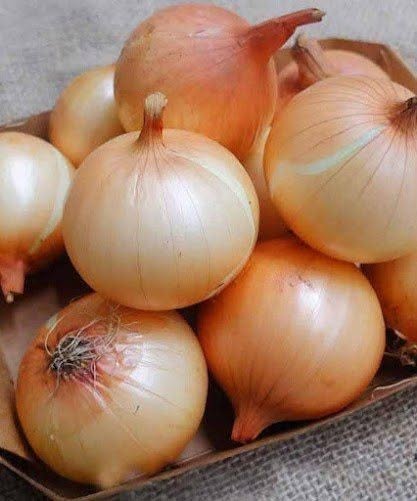
Onion is a vegetable used in cooking and is full of healthy nutrients. Onion bulbs are extremely good for you because they contain antioxidants, vitamins, minerals, and amino acids. Consuming raw, cooked, or boiled onions can help you lose weight, boost your cardiovascular health, strengthen your immunity, and reduce inflammation.
There are many varieties of onions, all with nutritional benefits. Onion bulbs can be yellow, red, or white, and range in taste from mild and sweet to sharp and pungent. All types of onions contain antimicrobial properties. But red onions contain more antioxidants than yellow onions or white onions.
Onions are from the Allium genus that also includes vegetables such as garlic, scallions (green onions), leeks, and chives.
In this article, you will find out why onions are so good for you and how scientific research backs up claims about the health benefits of onions. At the end of the article you will find how to use onions in home remedies.
White Onion vs. Red (Purple) Onion vs. Yellow Onion
The most common type of onion used in cooking is the yellow onion. Yellow onions have white flesh and yellow skin and generally have a sharp flavor. Usually, yellow onions become sweeter and softer during the cooking process.
What is the difference between white onions and yellow onions apart from their color? Most people say that white onions have a milder and crispier flavor than yellow onions.
Red onions are sometimes referred to as purple onions and are usually eaten raw in salads. Most people prefer to eat red onions raw rather than yellow onions as they aren’t as sharp and astringent.
Red onions could be the healthiest type of onion as they contain more antioxidants.
Nutritional Value of Onion (Yellow, Red, White)
There is little difference in nutritional value comparing yellow, white, and red onions. All varieties of onion are healthy because they contain vitamins, minerals, and other beneficial micronutrients.
According to the United States Department of Agriculture, red, yellow, and white raw onions have 40 calories per 100 grams. One medium-sized onion contains nearly 2 grams of fiber which is 7% of your recommended daily intake (RDI). (1)
100 grams of onions contain 9.3 grams of carbs and around 4 grams of sugar. However, depending on the variety of onion, the sugar content of the onion could differ slightly.
One of the reasons why onions are really good for you is that they contain a number of amino acids. Amino acids are essential for metabolic processes in your body. Onions contain essential amino acids such as lysine, threonine, leucine, and phenylalanine.
Red onions, white onions, and yellow onions all contain trace amounts of vitamins C and B-group vitamins, as well as minerals such as calcium, iron, manganese, and magnesium.
Scallions (or, spring onions) are sometimes referred to as green onions. The nutritional value of green onion is also quite impressive. For example, 1 large scallion (25 g) contains 52 mcg of vitamin K (65% RDI), 4.7 mg vitamin C (8% RDI), and all the essential amino acids that are in regular onions.
Onions are packed with antioxidants
Regularly consuming raw or cooked onions in your diet can also help to keep you healthy and boost your body’s immune system.
Onions are a rich source of unique antioxidants and dietary flavonoids. Research has found that yellow onions contain between 270 and 1187 mg flavonoids per kilogram of fresh onion. However, red onion has even more antioxidants – between 415 and 1917 mg per kilo of red onion.
Red onions also contain an antioxidant compounds called anthocyanins which have benefits in protecting against numerous diseases. In fact, anthocyanins may make up about 10% of the total flavonoid content in red onion.
Quercetin is another important antioxidant contained in onions. Research has shown that quercetin has antimicrobial properties and can help to lower blood pressure. Quercetin is also more prevalent in red onions than in yellow and white ones.
Other studies have shown that the sulfur-containing compounds in onions have anticancer properties.
Also, the outer layers of onion bulbs and onions skins have a higher antioxidant content than the inner portions.
It seems that red and yellow onions are healthier for you than white onions because they contain more antioxidants.
Are Onions Good For You? Health Benefits of Onion
Are onions healthy? It is clear that onions, especially the red and yellow varieties, have the potential to treat many health issues. Let’s look in more detail at why eating onions is good for you.
Onions are Good for Keeping Your Heart Healthy
The rich antioxidant content in onions means that eating onions is good for your cardiovascular health.
The Journal of Hypertension reported that there is a link between consuming vegetables such as onions and a reduced risk of cardiovascular disease. One study found that over a 6-year period, people with type 2 diabetes had less of a risk of suffering from heart disease if they regularly consumed onions and other allium vegetables.
Scientists have identified that quercetin is one of the reasons why onions are good for your cardiovascular health.
Further reading: The best foods you can eat to keep your heart healthy.
Onions promote good heart health by helping to lower blood pressure
It is a good idea to eat onions every day if you have high blood pressure because onions may help to lower hypertension.
One study on the effects of onion on blood pressure found that antioxidants in onions have an anti-hypertensive effect. The research showed that onions affected enzymes and compounds that are connected with high blood pressure.
Drinking onion skin tea may also help lower blood pressure if you have hypertension. A randomized double-blind trial found that onion skin extracts can also help lower blood pressure. Quercetin in onion skin has a cardio-protective effect and improves vascular health.
There is also evidence to suggest that increasing your consumption of raw onion can help lower blood pressure. For example, researchers have found that the main ingredients in the Mediterranean diet (olive oil and onions) affect blood pressure by helping to lower it.
Learn about other ways to lower your blood pressure without medication.
Consuming onions is good for your blood circulation because they help prevent clotting
Another reason that eating more onions is good for your heart is that onions have anticoagulant properties.
One study found that onions were better than garlic for helping to prevent blood clotting. Other studies have found that a combination of raw onions and garlic help to prevent red blood cells from clumping together.
Are you showing signs of poor blood circulation? Learn what to do to improve your circulation naturally and keep your cardiovascular system healthy.
Onions may reduce blood cholesterol
Onions are good for you because eating them improves your cardiovascular health because they help to lower serum cholesterol levels.
One trial involving rats found that onion affects levels of blood fat and helps to lower high cholesterol levels. Onions help to increase certain compounds that play a role in lowering levels of LDL cholesterol (the type doctors refer to as “bad” cholesterol).
Clinical trials involving adults have also shown that onions have a cholesterol-lowering effect. Overweight and obese women were given between 80 and 120 g of raw red onion a day to consume. After 8 weeks, scientists noted that there was a significant decrease in total blood cholesterol.
Learn about other effective ways to reduce high cholesterol naturally.
