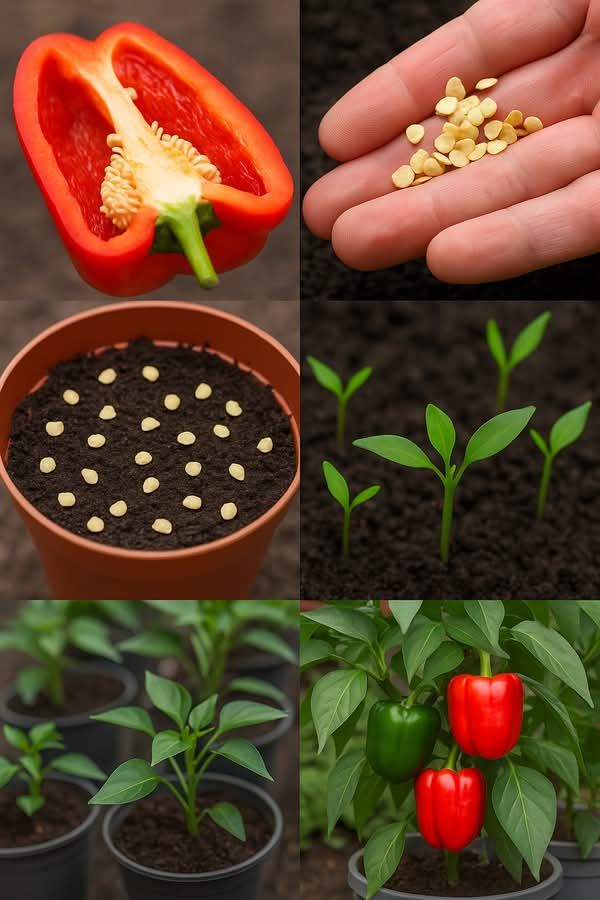
Growing your own bell peppers is incredibly rewarding, especially when you see those lush plants laden with juicy, colorful fruits.
Whether you’re a seasoned gardener or just starting out, planting bell peppers is an exciting endeavor that can yield bountiful harvests.
How to Grow Bell Peppers
Step 1: Preparation
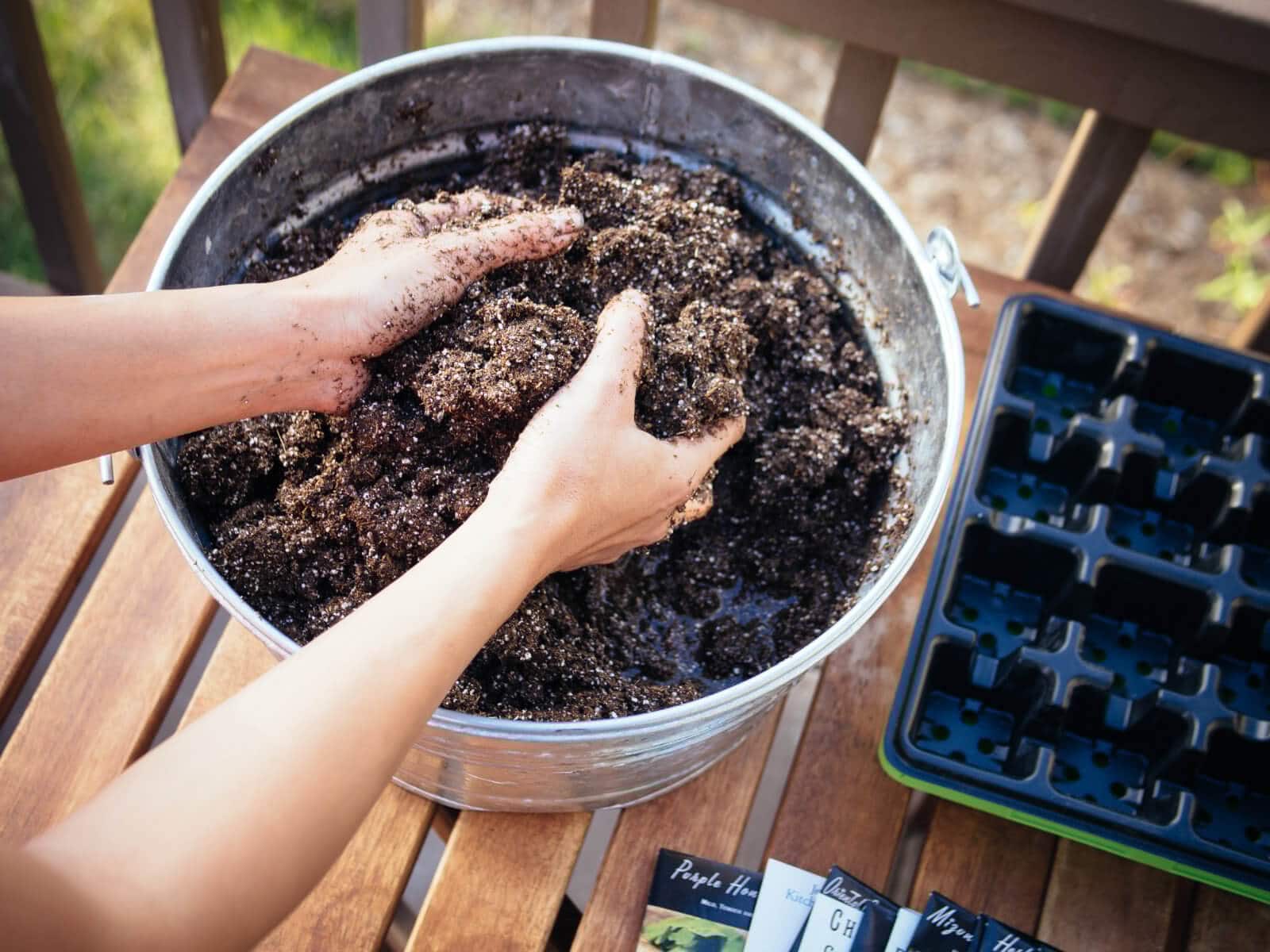
First things first, you need to prepare well-draining and rich soil in organic matter.
If your soil isn’t up to par, don’t worry! You can always mix in some compost or well-rotted manure to give it a boost.
Step 2: Starting Seeds Indoors
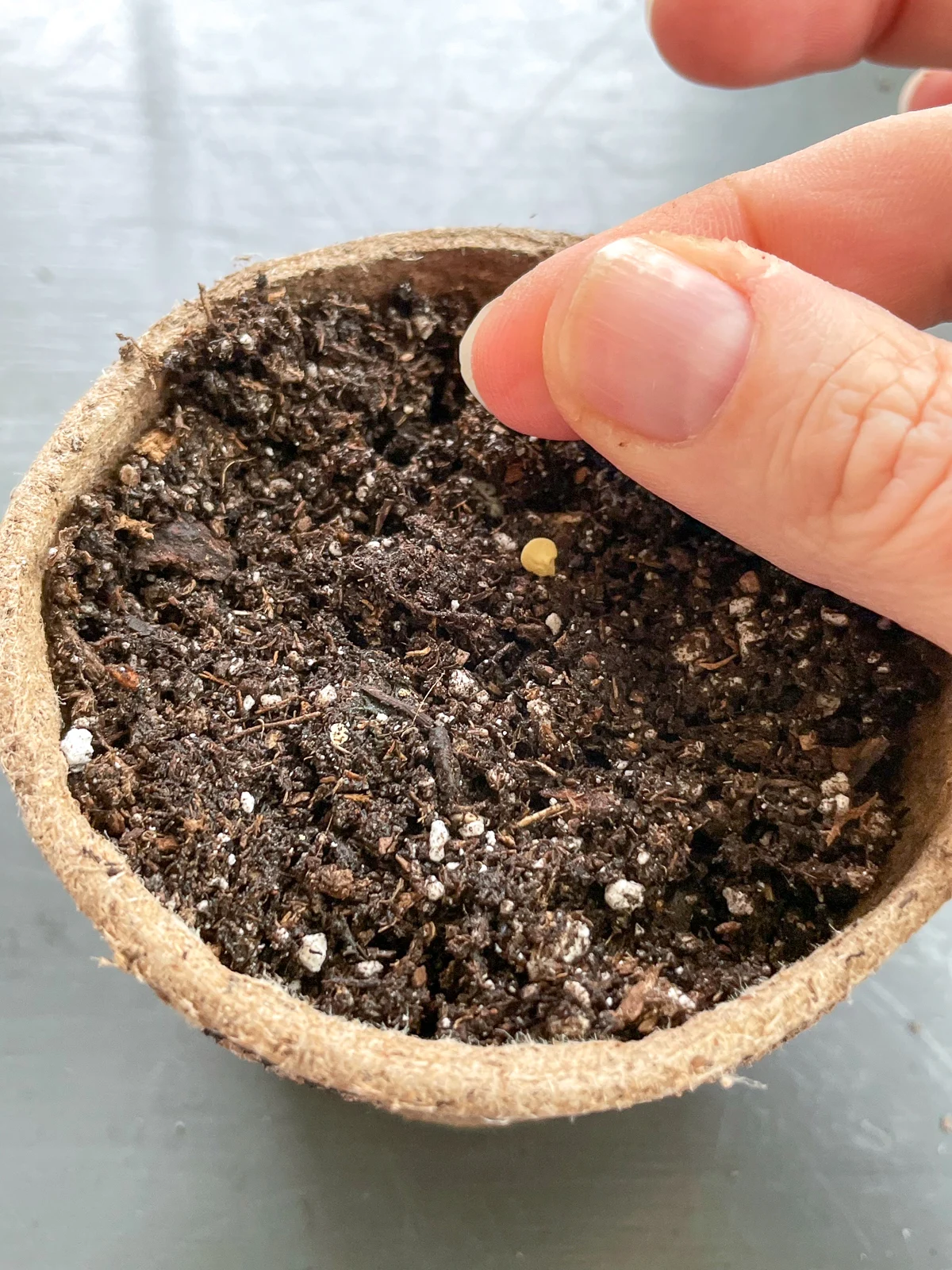
You can start your bell pepper seeds indoors about 8-10 weeks before the last frost date.
You should use a seed-starting mix and plant the seeds about 1/4 inch deep, then keep the soil moist but not waterlogged.
A humidity dome can help keep the moisture in, but if you don’t have one, a simple plastic wrap will do the trick.
After that, you only need to place the seed trays in a warm spot, around 70-80°F.
Step 3: Hardening off Plants
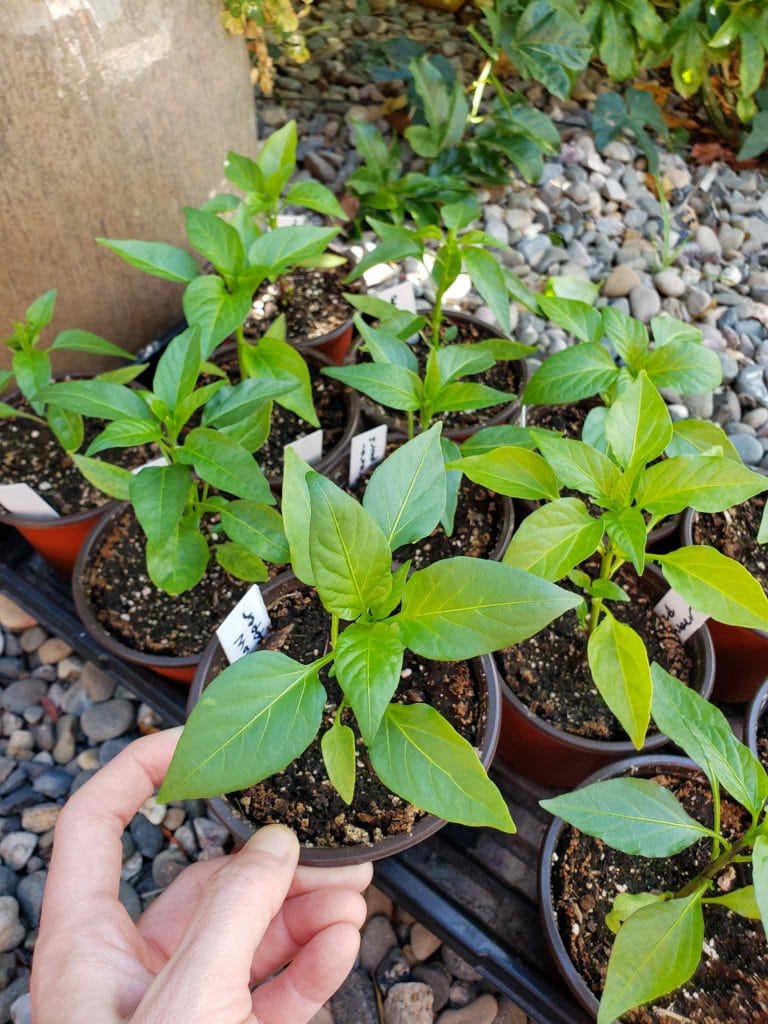
Once your seedlings have sprouted and grown a few inches tall, it’s time to toughen them up. This process is called hardening off.
About two weeks before you plan to transplant them outside, start placing the seedlings outdoors for a few hours each day.
This step is crucial to prevent transplant shock.
Step 4: Transplanting
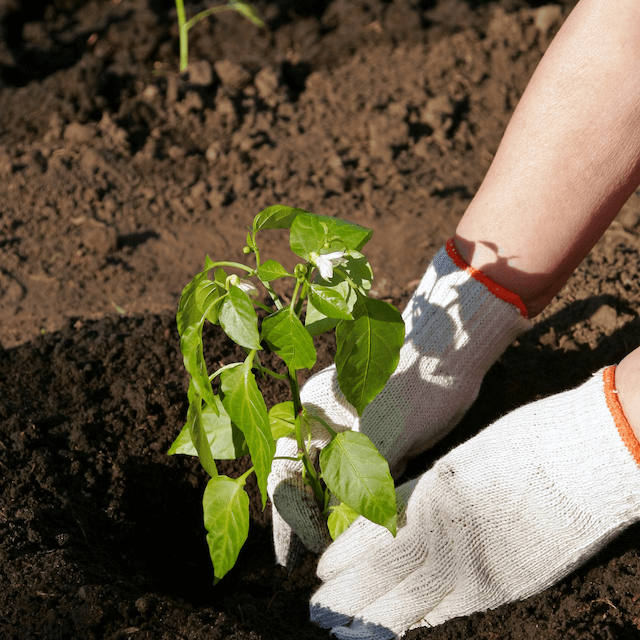
When the danger of frost has passed and your seedlings are about 4-6 inches tall, it’s time to move them to their permanent home.
Now, dig holes in your prepared garden bed, spaced about 18-24 inches apart.
Then, carefully remove the seedlings from their pots, trying not to disturb the roots too much, and place them in the holes.
Step 5: Care for Bell Pepper Plants
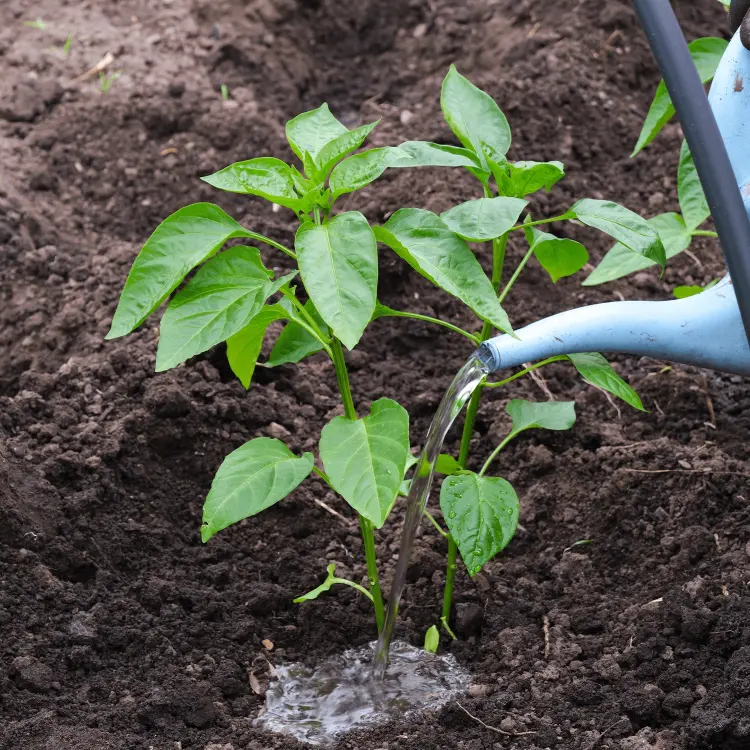
You should water them regularly, aiming for about 1-2 inches of water per week. Be consistent with your watering to avoid issues like blossom-end rot.
In addition, mulching around the plants can help retain moisture and keep weeds at bay.
As the plants grow, you might need to stake them to keep them upright.
And don’t forget to pinch out the growing tips when the plants are about 8 inches tall to encourage bushier growth and more fruit production.
