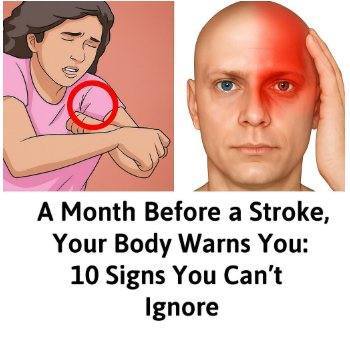
6. Facial Drooping
One side of the face may begin to droop or feel numb. A simple way to notice this symptom is when a person tries to smile and one side of the mouth doesn’t move normally.
7. Sudden Fatigue
Extreme or unusual fatigue without a clear reason may also appear before a stroke. Some people report feeling unusually exhausted in the weeks leading up to the event.
8. Confusion or Trouble Understanding
Difficulty concentrating, confusion, or trouble understanding simple instructions may occur when the brain’s cognitive functions are affected.
9. Nausea or Vomiting
Although these symptoms can have many causes, sudden nausea or vomiting combined with other neurological symptoms may indicate a problem related to brain circulation.
10. Tingling or Pain in the Limbs
Some people experience tingling sensations, discomfort, or pain in the arms or shoulders before a stroke occurs. These symptoms may be subtle but still important.
When to Seek Help
Recognizing early symptoms can save lives. Medical experts often use the FAST method to identify stroke symptoms quickly:
-
Face drooping
-
Arms weakness
-
Speech difficulty
-
Time to call emergency services
If any of these symptoms appear suddenly, immediate medical attention is critical.
Protecting Your Health
Although not every stroke can be predicted, many risk factors can be managed. Maintaining healthy blood pressure, eating a balanced diet, staying physically active, and avoiding smoking can significantly reduce the risk of stroke.
The body often sends warning signals before serious health problems occur. By paying attention to these signals and seeking medical advice when needed, people can take important steps toward protecting their brain health and overall well-being.
