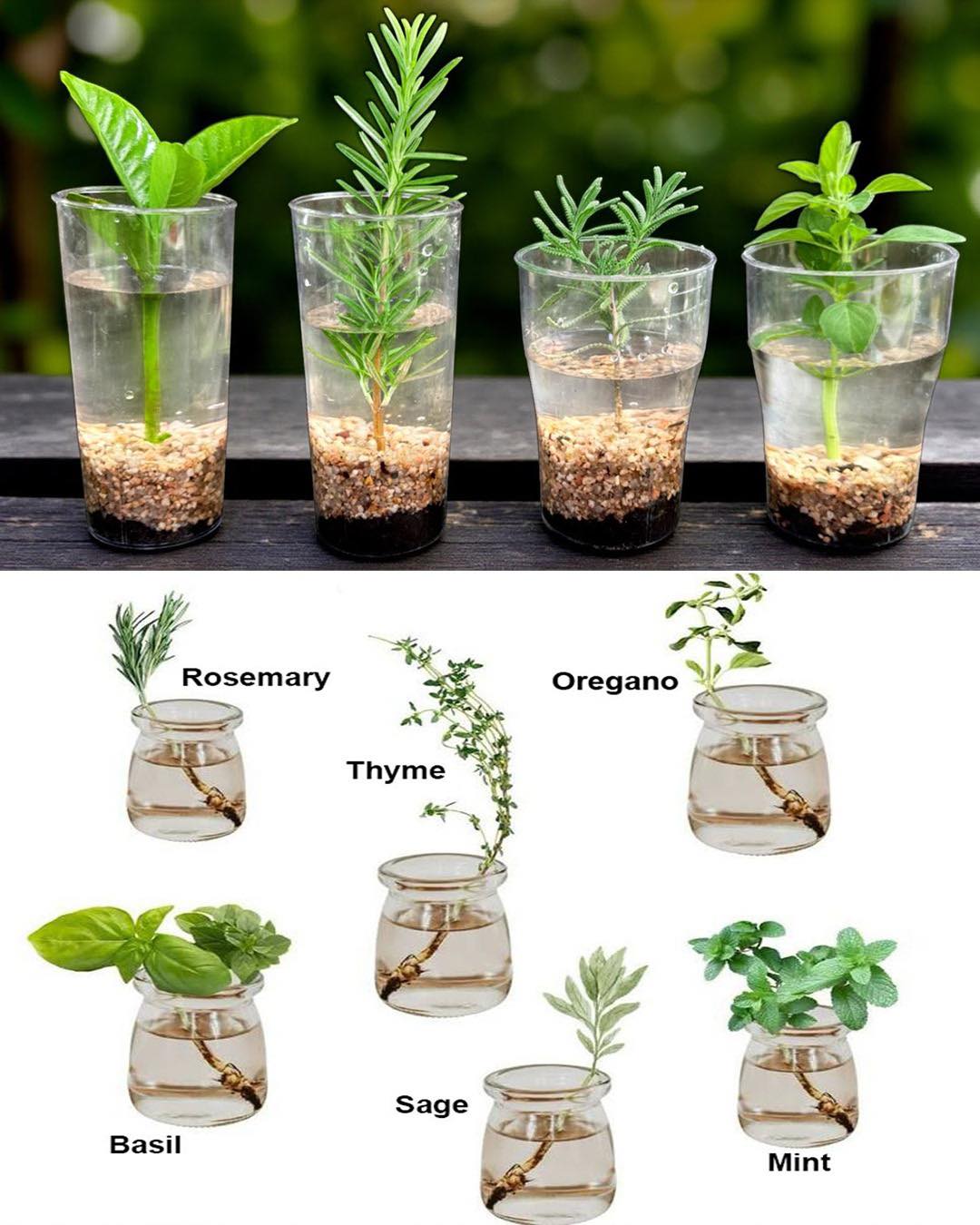
5. Rosemary
Rosemary, known for its aromatic, woody scent, can also be grown in water. Although rosemary takes a bit longer to root, it’s worth the wait. Snip off a few sprigs and place them in a jar with water, and you’ll eventually see roots develop. Rosemary thrives best when placed in indirect sunlight, and once it has rooted, you can keep it in water or transplant it into soil.
6. Chives
Chives are another great herb to grow in water. They are perfect for adding a mild onion flavor to dishes like salads, soups, and baked potatoes. To grow chives, place cuttings in water and watch them regrow. Chives can be harvested frequently, making them an ideal herb for regular use in the kitchen.
7. Borage
Borage, though not as commonly grown as other herbs, is a unique addition to a water-based garden. It has beautiful blue flowers and a slightly cucumber-like taste. Borage cuttings can easily root in water, making it an interesting herb to experiment with in your indoor garden.
Tips for Growing Herbs in Water
Growing herbs in water is simple, but there are a few best practices to ensure success:
- Change the Water Regularly: Water should be changed every 3-5 days to prevent bacterial growth and keep the water oxygenated for the roots.
- Provide Sufficient Light: Herbs need light to grow, so place them in a spot with indirect sunlight. If you don’t have a sunny window, consider using a grow light to ensure the herbs get the light they need to thrive.
- Use Clear Glass Containers: Clear containers allow you to monitor root growth and detect any issues, such as cloudy water or mold. Plus, they let sunlight reach the roots, aiding in growth.
- Fertilization: Once your herbs have developed strong roots, you can add a small amount of diluted liquid fertilizer to the water to provide additional nutrients. However, don’t overdo it, as herbs typically don’t need much fertilization in water.
- Harvesting: Be mindful when harvesting your herbs. Trim only what you need to ensure the plant continues to grow and thrive.
