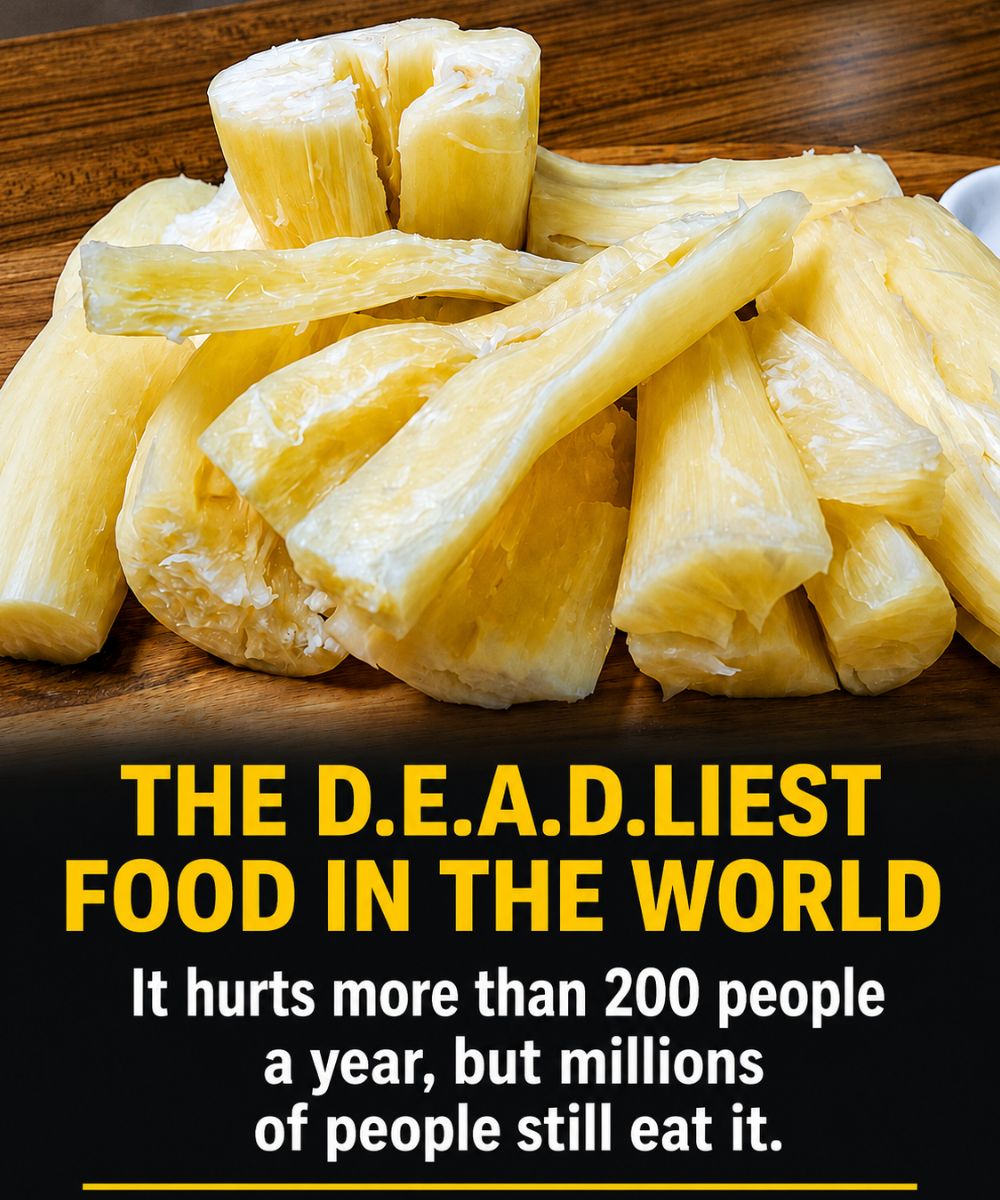
Nutrition experts point out that cassava itself is not inherently “evil” or deadly when handled correctly. In fact, it plays a critical role in global food security and provides an affordable source of calories for millions of families. Cassava flour has also become increasingly popular in gluten-free cooking and alternative diets.
The real danger often comes from misinformation, lack of proper food education, or emergency situations where people consume cassava without adequate processing. During periods of famine or conflict, communities may skip important preparation steps due to limited resources, increasing the risk of poisoning.
This situation highlights a broader truth about food safety: many common foods can become harmful if handled incorrectly. Certain beans, mushrooms, seafood, and even potatoes can contain natural toxins under specific conditions. Proper preparation, storage, and cooking are essential parts of safe eating practices around the world.
In recent years, scientists and agricultural experts have worked on developing safer cassava varieties with lower toxin levels. Public health campaigns in affected regions have also focused on teaching safe preparation methods to reduce poisoning cases and improve awareness.
In conclusion, while cassava has earned a dramatic reputation online as one of the “deadliest foods in the world,” the reality is more complex. When prepared correctly, cassava is a valuable and widely consumed food that supports millions of people globally. The story serves as an important reminder that understanding how food is grown, prepared, and consumed is just as important as the food itself.
