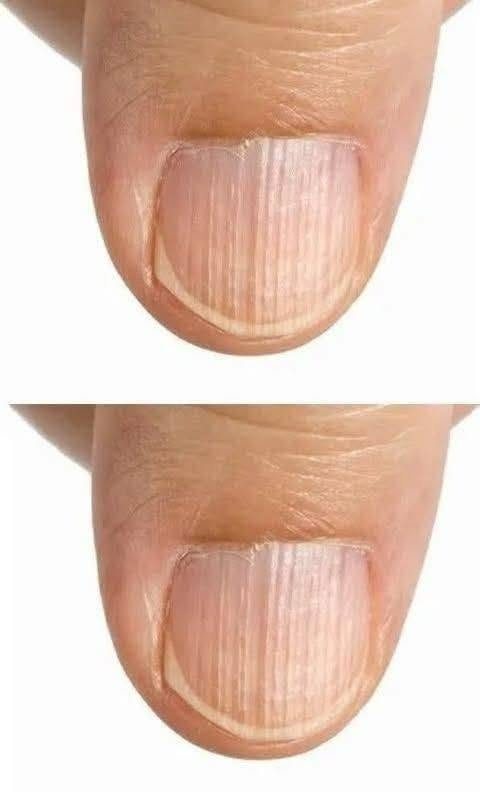
Ridges in Your Fingernails? A Dermatologist’s Guide to What’s Normal — And When to Worry
Have you ever noticed lines or ridges running across or down your fingernails and wondered if they could be a sign of a health problem? You’re not alone. Nail ridges are incredibly common, especially as people age. In many cases, they’re completely harmless. However, certain changes in your nails can sometimes signal an underlying medical condition that deserves attention.
Your fingernails can provide valuable clues about your overall health. While ridges don’t always indicate something serious, understanding the difference between normal aging and potential warning signs can help you know when it’s time to consult a healthcare professional.
In this guide, we’ll explain the different types of nail ridges, their possible causes, and when you should seek medical advice.
What Are Nail Ridges?
Nail ridges are raised lines that develop on the surface of your fingernails or toenails. They can run either:
- Vertically (from the cuticle to the tip)
- Horizontally (across the nail)
The type, appearance, and number of ridges often provide important clues about their cause.
Vertical Ridges: Usually a Normal Part of Aging
Vertical ridges are the most common type.
These ridges extend from the base of the nail to the tip and often become more noticeable with age. They develop gradually because nail cell turnover naturally slows over time.
In most healthy adults, mild vertical ridges are considered completely normal and don’t require treatment.
Other possible causes include:
- Dry nails
- Minor nail injuries
- Frequent hand washing
- Dehydration
- Nutritional deficiencies in some cases
If the ridges are mild and your nails are otherwise healthy, there’s usually no reason for concern.
Horizontal Ridges: They Deserve More Attention
