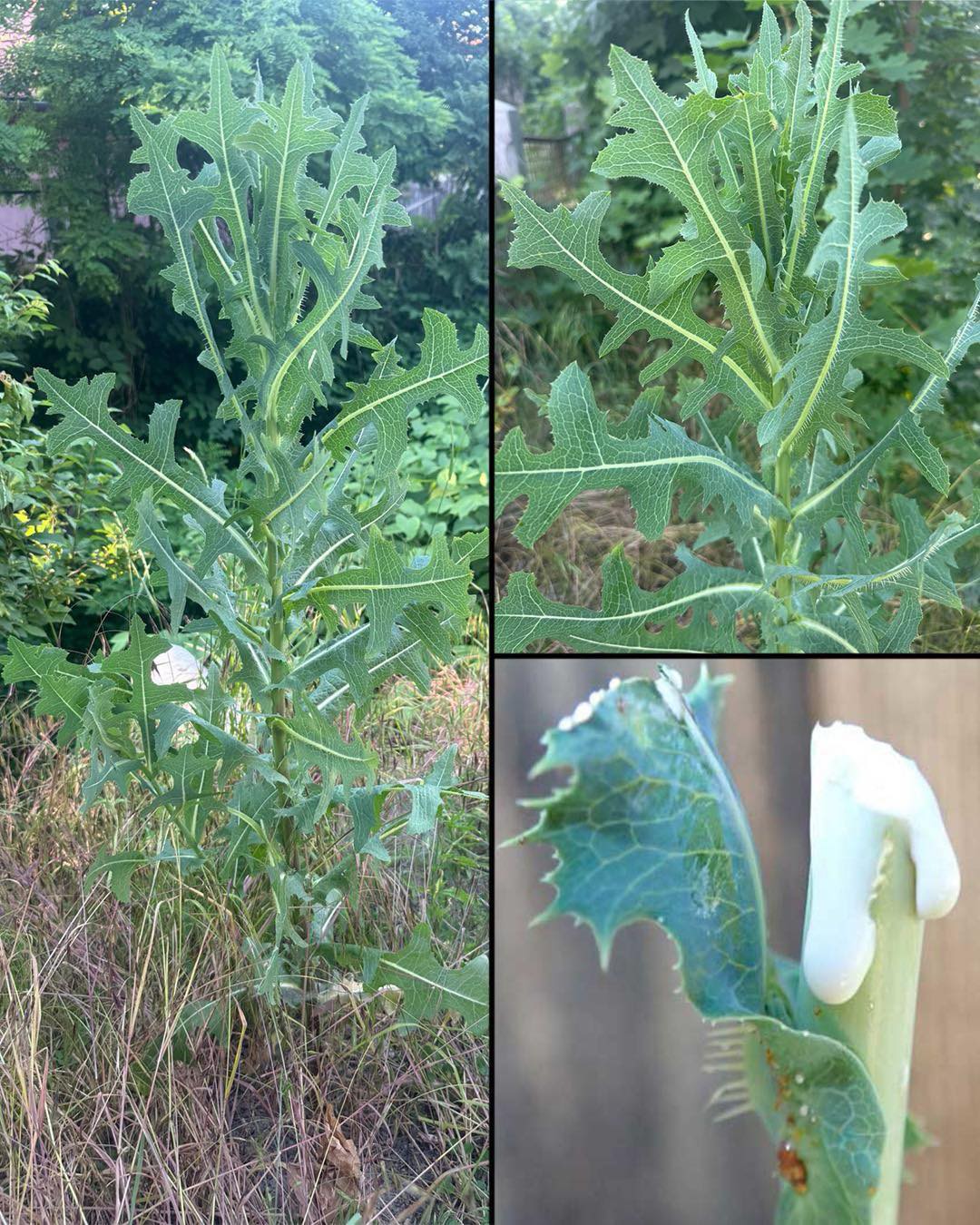
1. As a Tincture
- Mix dried sap with alcohol (vodka or brandy) in a small jar.
- Let it sit for 2-4 weeks, shaking it occasionally.
- Strain and store the liquid in a dropper bottle.
- Start with a small dose, like 1-2 drops in water, and increase slowly if needed.
2. As a Tea (Using the Leaves, Not the Sap)
- Boil 1-2 teaspoons of dried wild lettuce leaves in water.
- Let it steep for 10-15 minutes.
- Drink before bedtime for relaxation.
3. Direct Consumption (Not Recommended for Beginners)
- Some herbalists consume a tiny amount of dried sap (a rice-grain-sized piece) dissolved in water or tea.
- This method requires caution due to its potency.
4. External Use (For Pain Relief)
- The sap can be mixed with a carrier oil (like coconut oil) and applied to sore muscles or joints.
- Avoid using it on broken skin.
Important Disclaimer
This article is for informational purposes only. While wild lettuce sap has been traditionally used for various health benefits, it is not a medically approved treatment. We strongly recommend that anyone interested in using wild lettuce consult with a qualified healthcare professional before attempting to use it in any form.
Important considerations:
- Dosage matters: Overuse can lead to nausea, dizziness, or other unwanted side effects.
- Not for everyone: Pregnant women, children, and individuals with existing health conditions should avoid using wild lettuce without medical advice.
- We take no responsibility for misuse: This article does not replace professional medical advice, and we are not responsible for any consequences resulting from self-experimentation.
Final Thoughts
Wild lettuce sap is a fascinating natural remedy with a long history of use. While it has promising traditional benefits, it is not a replacement for medical treatments. If you’re considering trying it, start with small amounts, do your research, and always consult a professional if you have any concerns.
Would you like to explore other powerful herbal remedies? Stay informed and stay safe!
Next Page
