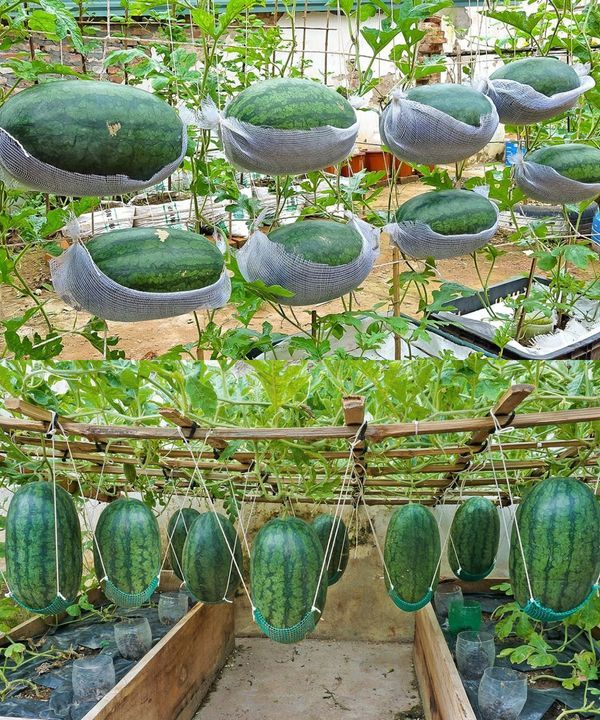
Watermelon Container Gardening: How To Grow Large and Tasty Watermelons in Small Spaces
Many people believe that growing watermelons requires a huge garden and endless outdoor space. However, with the right techniques and proper care, it is entirely possible to grow sweet, juicy watermelons in containers—even on a balcony, patio, or small backyard. Container gardening has become increasingly popular among urban gardeners, and watermelons are proving to be one of the most rewarding crops to grow in limited spaces.
Although watermelons are known for their sprawling vines and large fruits, choosing the right variety is the first step toward success. Smaller or compact watermelon varieties are ideal for container gardening because they require less room while still producing delicious fruit. Varieties such as “Sugar Baby” and “Bush Sugar Baby” are especially popular among home gardeners due to their manageable size and rich flavor.
The container itself plays a major role in healthy growth. Watermelons need a large pot with enough depth and width to support their root system. A container that holds at least 15 to 20 gallons of soil is generally recommended. Good drainage is equally important, as standing water can damage roots and encourage disease.
Choosing quality soil is another key factor. Watermelons thrive in nutrient-rich, well-draining soil that retains enough moisture without becoming soggy. Many gardeners mix compost into the soil to provide additional nutrients and improve texture. Since watermelons are heavy feeders, regular fertilization throughout the growing season can help encourage strong vines and larger fruits.
Sunlight is essential for producing sweet and flavorful watermelons. These plants require at least six to eight hours of direct sunlight daily, although more sunlight is even better. Placing containers in the sunniest spot available will improve both growth and fruit production.
Watering must be done carefully and consistently. Watermelons need regular moisture, especially during flowering and fruit development. However, overwatering can weaken flavor and increase the risk of root problems. Many experienced gardeners reduce watering slightly as the fruit ripens to help concentrate sweetness.
