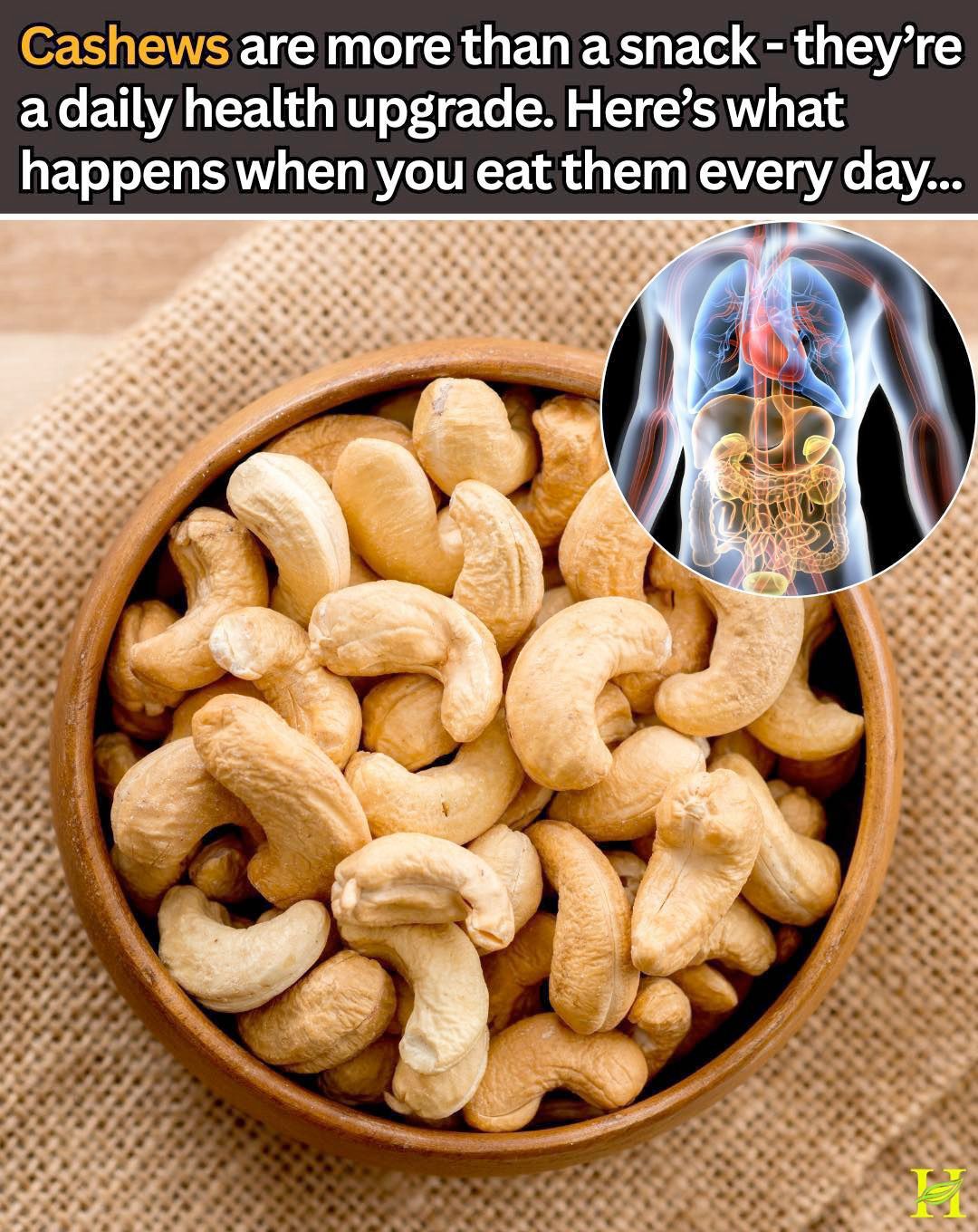
6. You Stabilize Your Blood Sugar and Reduce Risk of Diabetes
Cashews have a low glycemic index and contain protein, fiber, and healthy fats – all of which help regulate blood sugar and prevent glucose spikes.
They also help improve insulin response due to their magnesium content.
Studies have shown that replacing carbs or sugary snacks with nuts like cashews can improve blood sugar control, especially in people with type 2 diabetes or insulin resistance.
How cashews support balanced blood sugar:
- Slow digestion and release of glucose
- Improve insulin sensitivity
- Lower inflammation linked to metabolic disorders
- Offer long-lasting energy without sugar crashes
7. Your Immune System Gets a Powerful Boost
Cashews are packed with minerals and vitamins like zinc, iron, selenium, and antioxidants, all of which play a role in immune defense.
Zinc in particular is essential for cell repair and infection control – and deficiency is extremely common.
Immune-boosting nutrients in cashews:
- Zinc: antiviral and antibacterial support
- Vitamin E: protects cells from free radicals
- Selenium: essential for immune resilience
- Protein: helps build immune cells
Eating cashews every day – especially during flu season – is like giving your immune system a natural upgrade.
Bonus Benefits You May Not Expect
In addition to the seven major benefits above, cashews also…
- Help maintain healthy weight when eaten in place of processed snacks
- Support thyroid health due to selenium and iodine content
- Reduce inflammation throughout the body
- Promote healthy sleep thanks to tryptophan and magnesium
- May protect against gallstones and liver fat buildup
How Many Cashews Should You Eat Per Day?
The ideal serving size for most people is 1 small handful (about 1 ounce / 15–20 cashews). This provides the perfect balance of nutrients without excessive calories or fat.
Raw or dry-roasted cashews are the healthiest – avoid heavily salted, sugar-coated, or fried varieties.
Best Ways to Add Cashews to Your Diet
- Eat them plain as a snack
- Blend into smoothies for creamy texture
- Use in homemade cashew milk or cashew cream
- Add to curries, stir fries, and salads
- Make cashew butter as a peanut butter alternative
- Use blended cashews to replace dairy in sauces
Who Should Be Cautious With Cashews?
Even though cashews are healthy, they should be eaten in moderation if you:
- Have nut allergies
- Need to restrict oxalates (cashews contain some)
- Are on a very low-calorie diet
- Have kidney stones or kidney issues (limit excess sodium or oxalates)
Otherwise, they are considered safe, highly nutritious, and beneficial for most people.
Eating cashews every day is more than a tasty habit — it’s an investment in your health.
Their unique combination of healthy fats, minerals, antioxidants, and plant protein makes them a functional food that supports the heart, brain, bones, immune system, skin, hormones, and digestion all at once.
