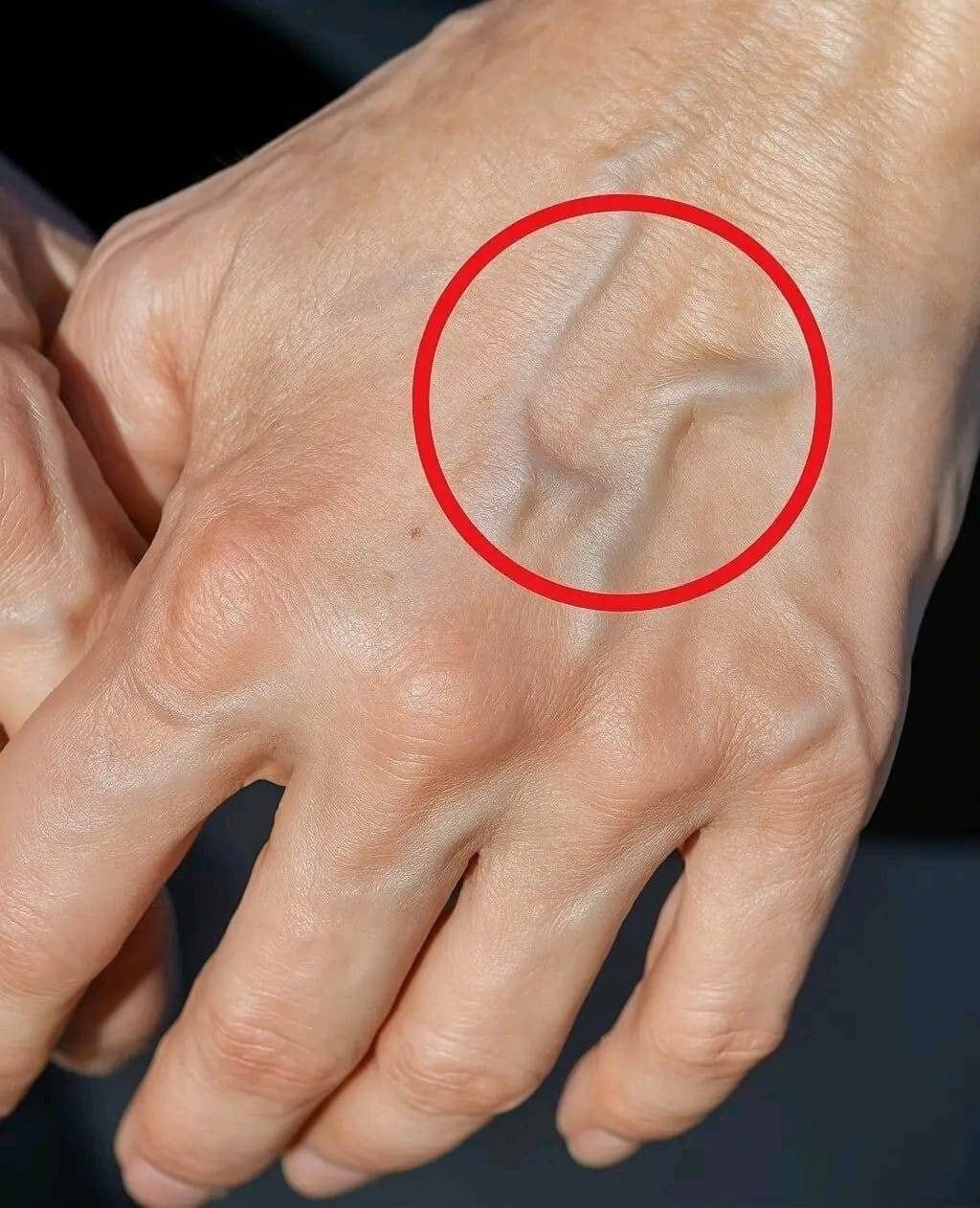
What the Veins on the Back of Your Hand Can Reveal About Your Health
Have you ever looked at the back of your hand and noticed prominent veins beneath the skin? For many people, especially as they age, veins become more visible and sometimes form noticeable lines or patterns. While this can look surprising at first, it is usually a completely normal part of the body’s natural changes.
However, in some cases, the appearance of veins may provide clues about circulation, body composition, or overall health.
Why Veins Become More Visible
The veins on the back of the hand are part of the body’s network that carries blood back to the heart. In younger people, these veins are often less noticeable because the skin is thicker and there is more fat beneath it.
As people get older, the skin gradually becomes thinner and loses some of its elasticity. At the same time, the layer of fat under the skin may decrease. This makes veins easier to see through the skin.
These changes are completely natural and usually harmless.
Body Fat and Physical Activity
People who have lower body fat or who are physically active often have more visible veins. This is especially common in athletes or individuals who exercise regularly.
When body fat decreases, there is less tissue covering the veins, making them appear more prominent. Increased blood flow during exercise can also temporarily enlarge veins, causing them to stand out more.
Temperature and Blood Flow
Temperature can also affect how visible your veins are. In warm conditions, blood vessels expand to help regulate body temperature. This process can make veins look larger or more noticeable.
When the body cools down, the veins usually return to their normal size.
Aging and Skin Changes
Aging is one of the most common reasons veins appear more clearly on the hands. As skin loses collagen and becomes thinner over time, veins naturally become more visible.
This is a normal part of aging and does not usually indicate a medical problem.
When to Pay Attention
