Pro Tip #6: Use a mini humidity tent during winter
A simple plastic dome or transparent grow cover keeps moisture in and protects the plant from dry indoor air.
7. Fertilizing
Feed lightly but consistently.
- Use a mild organic fertilizer every 4–6 weeks during the growing season
- Avoid heavy nitrogen—cloves respond better to balanced, organic feeding
Pro Tip #7: Give a compost “top-up” twice a year
Scrape a thin layer of old soil from the surface and replace it with fresh compost. This acts as a slow, natural fertilizer while keeping the soil healthy.
8. Pruning for Shape
Clove trees grow upright but can become leggy indoors.
- Trim the tips of tall branches to encourage side growth
- Remove weak or crossing stems
- Do not prune heavily—light pruning works best
Pro Tip #8: Pinch new growth early
Pinching young shoots keeps the plant bushy and prevents it from growing too tall too quickly.
9. Repotting
Repot every 2–3 years or when roots reach the edges of the pot.
Pro Tip #9: Repot at the beginning of warm weather
Cloves recover best when temperatures are rising, not during cold months.
10. Pests and Problems
Clove trees are generally resistant but may attract:
- Spider mites in dry air
- Aphids on new leaves
- Scale insects in low light
Pro Tip #10: Mist the plant to discourage pests
Many pests hate humidity. Simply keeping the air moist around the plant prevents most infestations.
11. Patience With Flowering
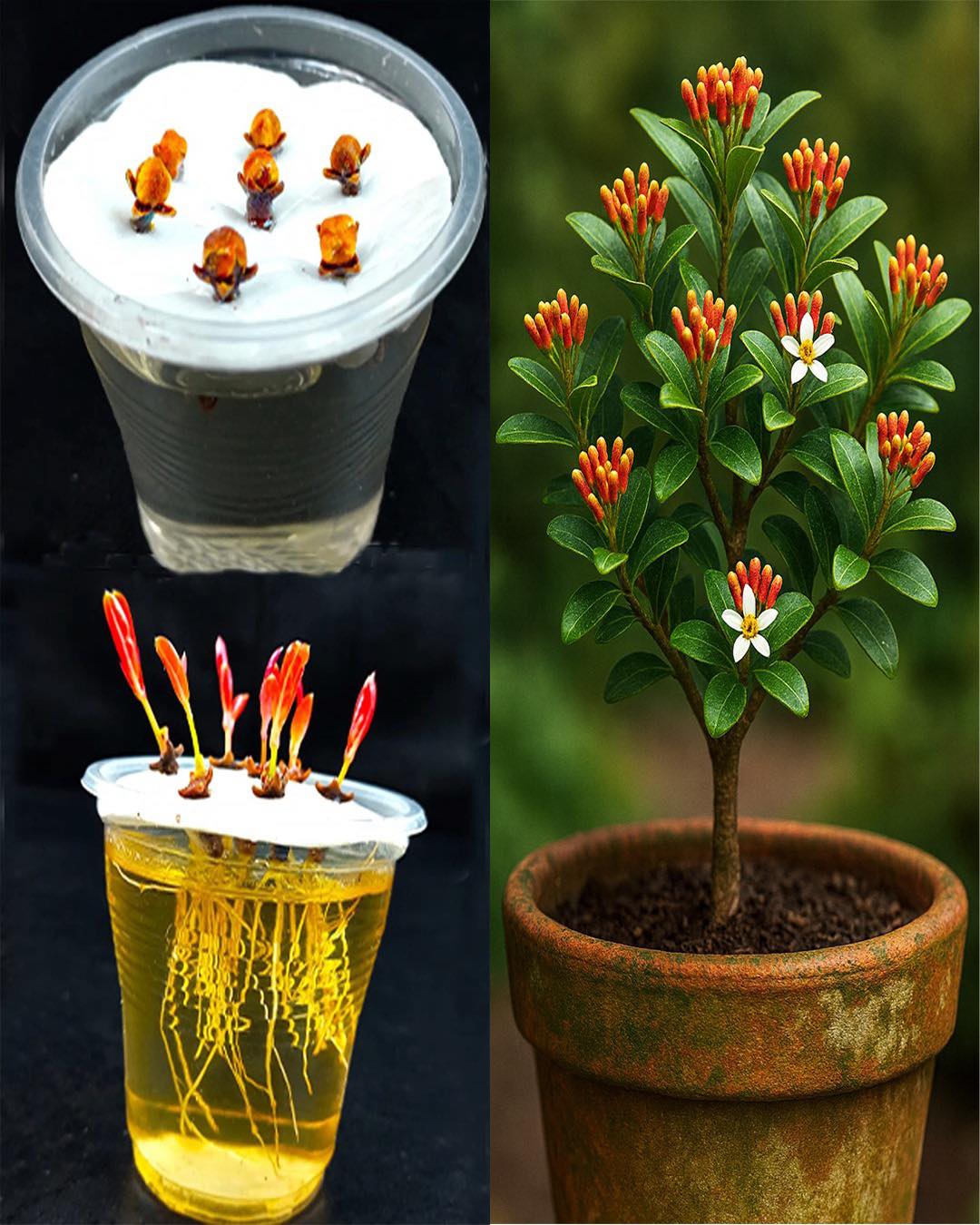
Cloves take years to flower—even longer in a pot. Most indoor plants won’t produce large harvests, but the leaves and aroma alone make the plant worthwhile.
Pro Tip #11: Keep growth steady, not fast
Cloves prefer slow, stable development. Overfeeding or forcing fast growth leads to weak, unhealthy stems that fail to produce buds later.
Extra Pro Tips for Exceptional Results
Pro Tip #12: Rotate the pot weekly
This ensures even growth and prevents the plant from leaning toward the light.
Pro Tip #13: Use rainwater if possible
Cloves prefer soft, slightly acidic water. Tap water high in minerals can stress the roots over time.
Pro Tip #14: Mulch the soil surface
A thin layer of coconut husk, shredded leaves, or bark keeps moisture consistent and protects delicate feeder roots.

Growing cloves in a pot is a journey that rewards patience and consistent care. If you provide warmth, humidity, rich soil, and gentle watering, the plant will thrive as a unique, exotic houseplant. While harvesting your own cloves may take time—or may not happen at all depending on your climate—the satisfaction of keeping such a rare spice tree alive is its own reward.
